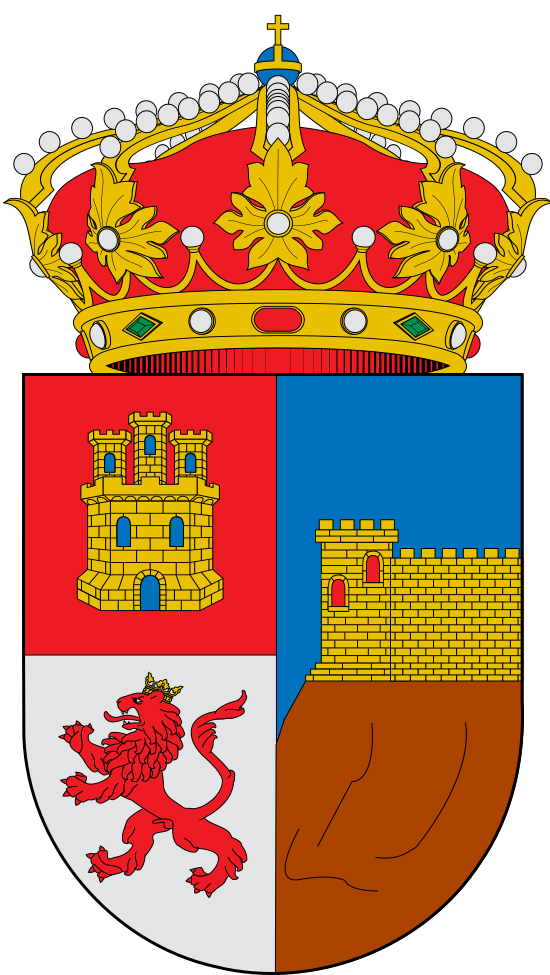
Escudo de AtienzaAtienzaMedieval village of Castile
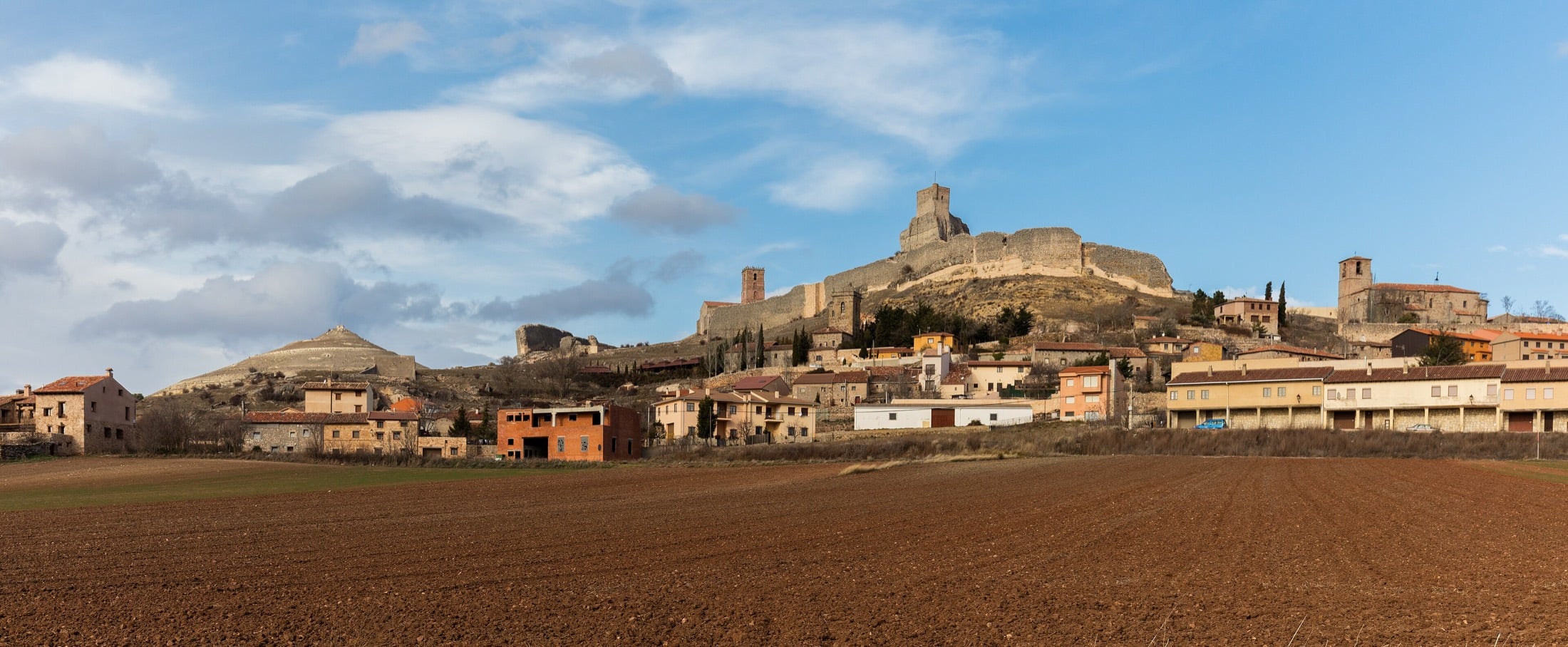
Panorámica de Atienza al amanecer, conjunto histórico-artístico

A thousand years of medieval village

From Arevaci Titrhya to the 1149 fuero, from La Caballada to the French sack and the UNESCO candidacy: the full story of the village.

Historic-Artistic Site · 1961Most Beautiful Villages of Spain

“Atienza, a mighty crag” — Song of the Cid

Atienza is no ordinary village of the Sierra Norte: it is one of the villages that best explains Castile in stone. Here meet the Arevaci world, the medieval frontier, the epic of El Cid, the fuero, the muleteers' guild, the fourteen churches of its splendour, the 15th-century siege, loyalty to the king, the French sack and, today, the candidacy for World Heritage. A thousand years on a single hill.

Chapter I · Origins

Titrhya, the Arevaci crag

Before Atienza, there was Titrhya. That was the name the Arevaci —a Celtiberian people, brothers of those who held Numantia against Rome— gave this place. The necropolis of Cerropozo, on the outskirts, preserves the material memory of that world. There are also Visigothic remains: the hill never ceased to be a strategic piece of contested territory.
Chapter II · Frontier

El Cid and the “mighty crag”

Atienza's medieval splendour is born of its geography. The village sits close to the frontier between the Christian and Muslim kingdoms, and just as close to the lands of Aragon. Here passed Rodrigo Díaz de Vivar on his way into exile: the Song of the Cid remembers Atienza as “a mighty crag”, a fortress so firm that the Campeador preferred not to face it.

In the 12th century, after several swings, Atienza finally passes into Castilian hands. Alfonso I of Aragon ordered the building of the church of Santa María del Rey at the foot of the castle: the first Christian church, over a former mosque.

Chapter III · Charter

1149: the Fuero and the Community of Villa y Tierra

In 1144, King Alfonso VII of León set the boundaries of the Community of Villa y Tierra of Atienza. Five years later, in 1149, he granted the fuero. The village became the visible head of a district of 131 villages and around 2,500 km².

The kings of Castile took advantage of the village's frontier condition to promote mercantile activity. From this impulse comes what would be Atienza's hallmark for centuries: the guild of the muleteers.

Chapter IV · 1162

The rescue of the boy king

In the mid-12th century, King Alfonso VIII —barely four years old— is pursued by the Infantes of Castro. He takes refuge behind the walls of Atienza. Leonese troops besiege the village to seize the child. The inhabitants decide to smuggle him out disguised as a muleteer. The ruse works: the king reaches Ávila safely and the crown is preserved.

Since then, without interruption, La Caballada has been held every Pentecost Sunday — declared a Festival of National Tourist Interest. It is organised by the Brotherhood of the Holy Trinity, which claims to be heir to that muleteer guild and preserves books of agreements and accounts from 1679, plus a parchment from Alfonso VIII himself regulating the brotherhood.

Chapter V · Splendour

Fourteen churches, one castle, two walls

At its peak, Atienza came to have fourteen churches —of which seven survive— and a defensive perimeter of two walled circuits. The castle commanded the hill; the arches of Arrebatacapas, of the Virgen, of the Salida, and the postern of San Julián articulated the passages.

The village was a seigniory of Catherine of Lancaster, wife of Henry III of Castile. To her impulse responds the remodelling of the convent of San Francisco, today one of the few examples of English Gothic in Spain: of the ensemble survives its apse, with tall narrow windows and pointed arches.

Chapter VI · The siege

1446: Álvaro de Luna's siege

In the mid-15th century, amid the war with the Infantes of Aragon, the constable Álvaro de Luna besieges the village. The population suffers a severe decline; many buildings are left in ruin. The decline begins.

Chapter VII · Decline

Sigüenza takes over, and the gratitude of Philip V

From the 15th century, Atienza loses ground to Sigüenza. Losing its frontier status, its mercantile activity wanes. The village remains loyal to the crown: during the War of Succession it hosts King Philip V, who in gratitude donates the rococo chapel of the Immaculate Conception in the church of the Holy Trinity.

Chapter VIII · 1808

El Empecinado and the French sack

The 19th century is lived in fire. Atienza is headquarters of Juan Martín Díez, El Empecinado, during the Peninsular War. French troops under General Duvernet attack the village repeatedly: they loot the churches, sack the houses, batter the castle, and burn much of the town.

In 1833, with the new provincial division, Atienza is incorporated into Guadalajara —previously it had been part of Old Castile and the jurisdiction of Soria.

Chapter IX · Today

Historic ensemble, UNESCO candidate

Atienza recovers, patiently, its cultural density. In 1961 it is declared a Historic-Artistic Site. In 1986 it opens its first museum (San Gil); in 2014, the Interpretation Centre of the Traditional Culture of the Province at the Posada del Cordón. In 2019 it joins the association of The Most Beautiful Villages of Spain.

Today, with around 406 inhabitants, Atienza is part of the Way of El Cid, the Ruta de la Lana of the Way of St. James, and the Don Quixote Route. And it looks forward through its joint candidacy with Sigüenza for the “Sweet & Salt Landscape”, which has advanced to the preliminary report stage for UNESCO World Heritage.

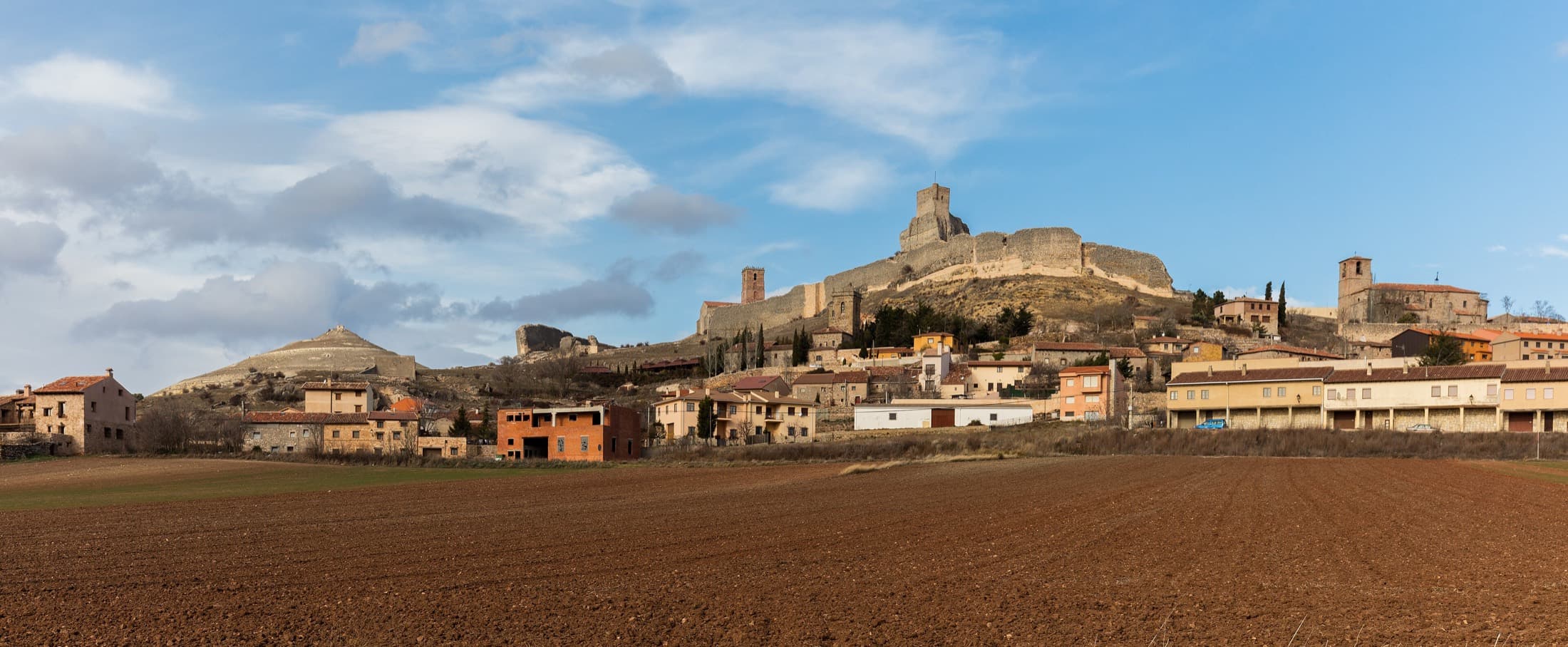
Panorámica completa de Atienza al amanecer, con el castillo dominando el cerro
Full panorama of Atienza, dominated by the castle
Timeline

A thousand years in fifteen dates

From Titrhya to the preliminary UNESCO report. The memory of Atienza, written in stone and parchment.

  1. 3rd c. BCE

    Titrhya, Arevaci enclave

    A Celtiberian people, sibling of Numantia; necropolis of Cerropozo.

  2. 6th–7th c.

    Visigothic remains

    The hill remains a strategic point of the territory.

  3. 12th c.

    El Cid: “a mighty crag”

    Atienza passes definitively to Castile; Alfonso I of Aragon builds Santa María del Rey.

  4. 1144

    Community of Villa y Tierra

    Alfonso VII demarcates a territory of 131 villages and around 2,500 km².

  5. 1149

    Fuero of Atienza

    Alfonso VII grants the fuero; the muleteers' guild is born.

  6. 1162

    La Caballada

    The muleteers smuggle the boy king Alfonso VIII to safety as the village is besieged.

  7. 14th c.

    Catherine of Lancaster

    Lady of Atienza, drives the remodelling of the convent of San Francisco in English Gothic.

  8. 1446

    Álvaro de Luna's siege

    The constable's siege in the war with the Infantes of Aragon begins the decline.

  9. 18th c.

    Philip V and the Immaculate

    After hosting the king, Atienza receives the rococo chapel of the Immaculate at La Trinidad.

  10. 1808–14

    Peninsular War

    Headquarters of El Empecinado; French sack under Duvernet and burning of the village.

  11. 1833

    Province of Guadalajara

    New provincial division: Atienza is incorporated into Guadalajara.

  12. 1961

    Historic-Artistic Site

    Official declaration of the old town.

  13. 1986

    First museum

    The Museum of San Gil opens.

  14. 2014

    Posada del Cordón

    Interpretation Centre of the Traditional Culture of the Province of Guadalajara.

  15. 2019

    Most Beautiful Villages of Spain

    Atienza joins the association.

  16. Today

    UNESCO candidacy

    Sweet & Salt Landscape of Sigüenza and Atienza: preliminary report stage for World Heritage.

Figures

Who passed through Atienza

Six names that help understand why this village matters.

01

Rodrigo Díaz, “El Cid”

Castilian knight

Passed through Atienza in his exile; the Cantar describes it as “a mighty crag”.

02

Alfonso VII

King of León and Castile

In 1144 demarcates the Community; in 1149 grants the fuero.

03

Alfonso VIII

King of Castile

Boy king saved by the muleteers of Atienza in 1162.

04

Catherine of Lancaster

Queen consort and Lady of Atienza

Drives the remodelling of San Francisco in English Gothic.

05

Juan Bravo

Comunero leader

Born in the Plaza de España; hero of the revolt of the Comunidades de Castilla.

06

Juan Martín, “El Empecinado”

Guerrilla leader

Established his headquarters in Atienza during the Peninsular War.

Sources

Synthesis based on the Atienza article on Spanish Wikipedia (CC BY-SA), the Song of the Cid, the holdings of the Brotherhood of the Holy Trinity, the studies of Asensio Rodríguez on Atienza's Romanesque, and La Porte Fernández-Alfaro on the Plaza Mayor in the 16th century.

Walk the history of the village

Follow the fourteen heritage entries, discover La Caballada hour by hour, and understand the UNESCO candidacy.