· 7 min read
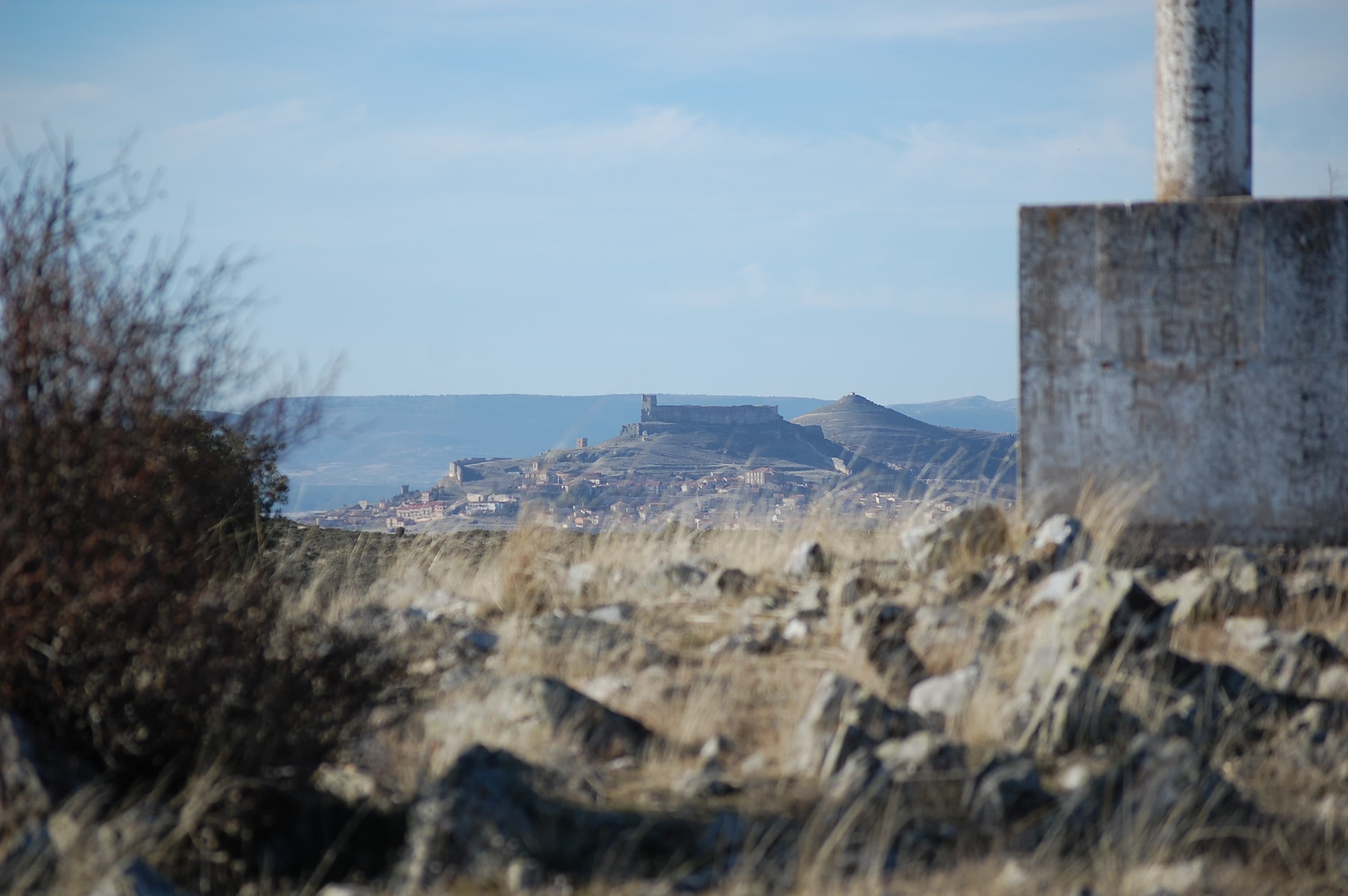
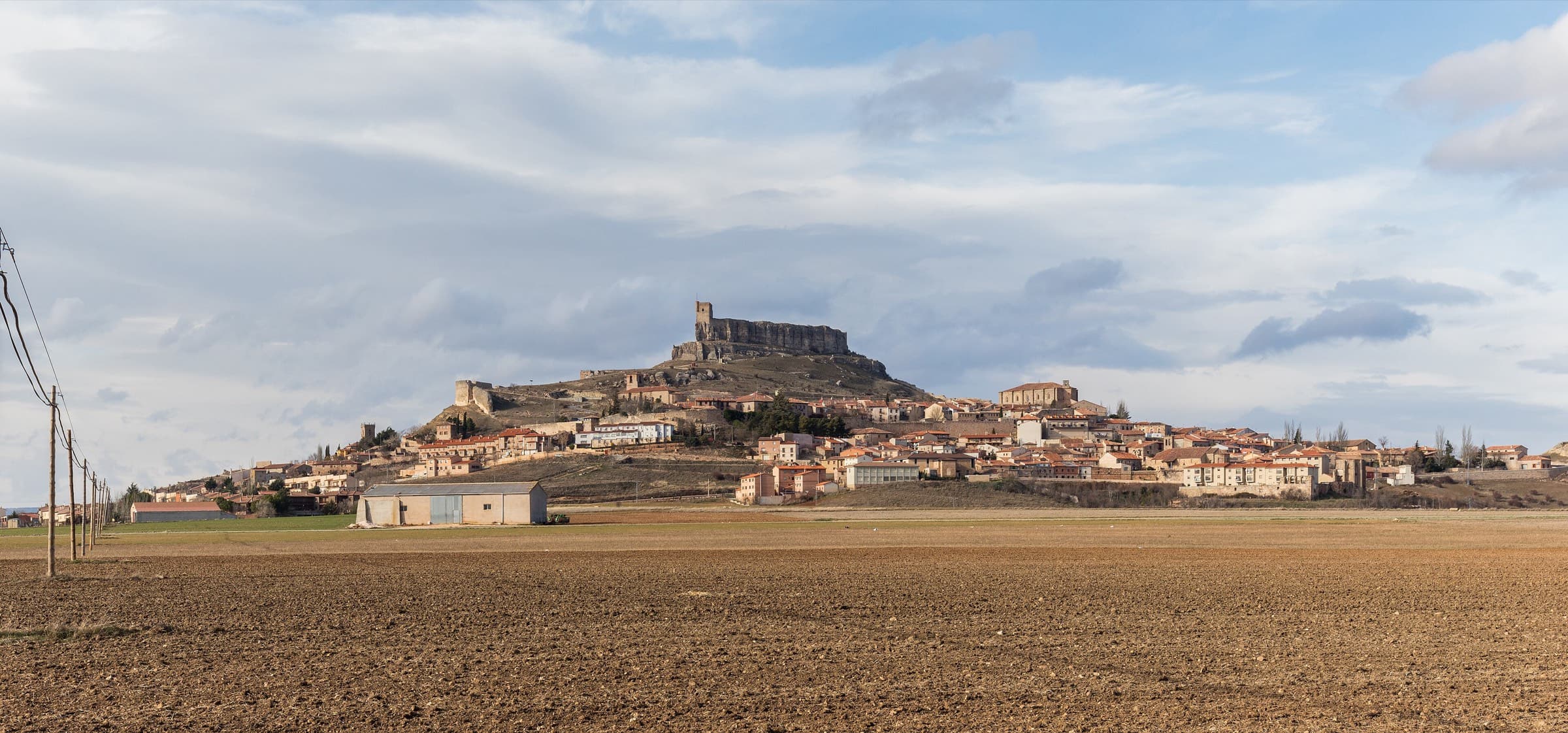
Few castles in Spain are as well sited as Atienza's. Set on a gneiss crag at over 1,200 metres of altitude, it can be seen for dozens of kilometres around. It is the reason the spot was always fortified —Celtiberians, Romans, Muslims, Christians— and why the Song of the Cid mentions it twice as a “mighty crag”. Its silhouette is already the village's visual brand.
From the Celtiberians to the Christian conquest
The crag was already fortified in pre-Roman times: the Celtiberians took advantage of its natural position at the crossroads of plateaus to raise a hillfort. Roman presence is attested by milestones and pottery remains. But the fortress as it is recognised today is born in the Andalusi period, with the consolidation of a Muslim alcazaba. After the Reconquista, Christians reuse the walls to rebuild the fortress, which becomes a strategic piece of the kingdom of Castile.
The Song of the Cid: a “mighty crag”
The Song of the Cid mentions Atienza twice. In the first cantar, the Cid avoids direct confrontation with the village, described as a “mighty crag”. In the third cantar, the mention helps locate the kingdom. The literary footprint justifies why Atienza is today a milestone on the Way of El Cid: end of the “Exile” route (which starts in Vivar del Cid, Burgos) and origin of the “Frontier Lands” route (which continues to Calatayud). The Way's salvoconducto is stamped at the Town Hall or the Tourism Office.
What survives today
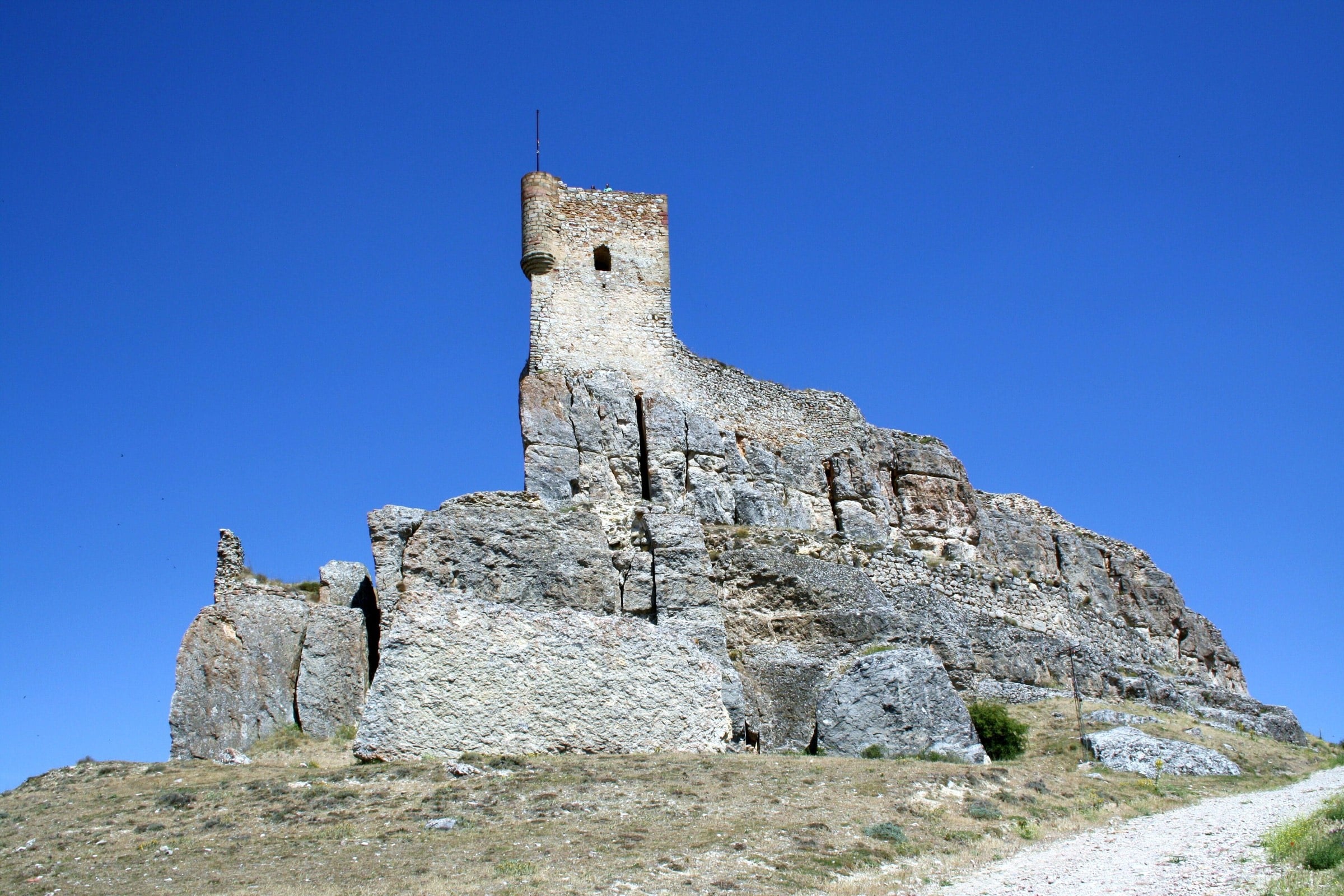
The visitor can walk the keep, part of the inner wall, the cisterns carved into the rock and the remains of the buildings. The fortress was severely damaged by the Wars of the Infantes of Aragon in the 14th century and saw reforms in the time of the Catholic Monarchs. The last major consolidation work is contemporary and allows the complex to be visited safely.
How to climb: 15 minutes on foot
The path starts near the church of Santa María del Rey, at the foot of the crag, and rises in cobbled zigzags to the complex. Wear comfortable shoes: there are loose sections and the slope is steep. The views deserve sitting at the top for at least half an hour. Northward opens the UNESCO-candidate Sweet & Salt Landscape; southward, the village of Atienza with its churches identifiable one by one.