· 6 min read
The “Sweet & Salt Landscape of Sigüenza and Atienza” is the first Spanish candidacy from Castilla-La Mancha to advance to the preliminary report stage for UNESCO World Heritage. It is not a cathedral or an isolated monument: it is a complete cultural landscape, shaped over centuries by fresh water and salt. Here we explain what the candidacy recognises, what stage it is at and why it matters.
What a “cultural landscape” means to UNESCO
UNESCO recognises as World Heritage landscapes in which nature and culture have been written together for centuries. Beauty alone is not enough: the landscape must have integrity (not having been altered by the industrial era) and authenticity (preserving the attributes that justify its exceptional value). That is the case of the Sweet & Salt Landscape.
The story: fresh water and salt in the Sierra Norte
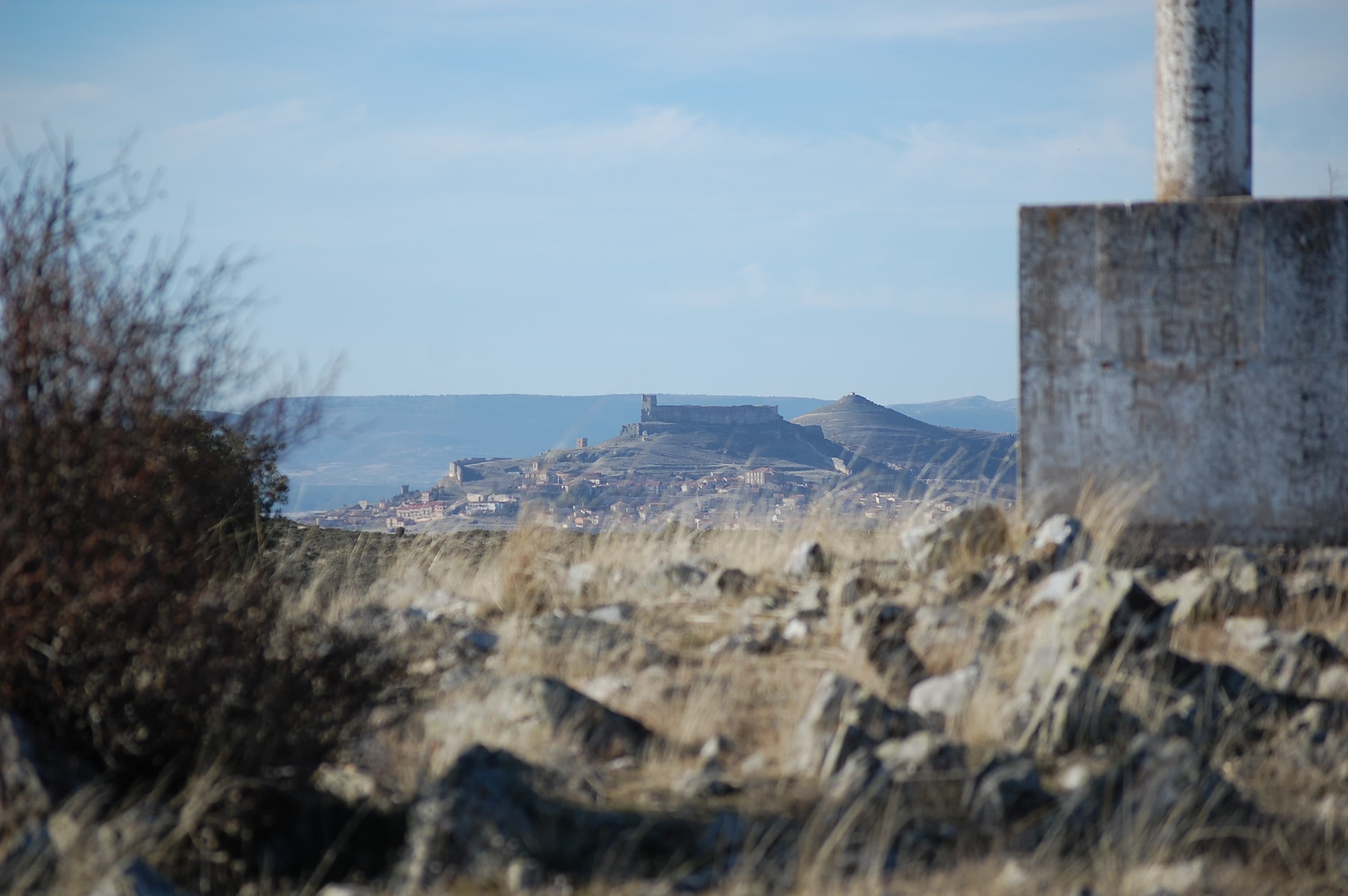
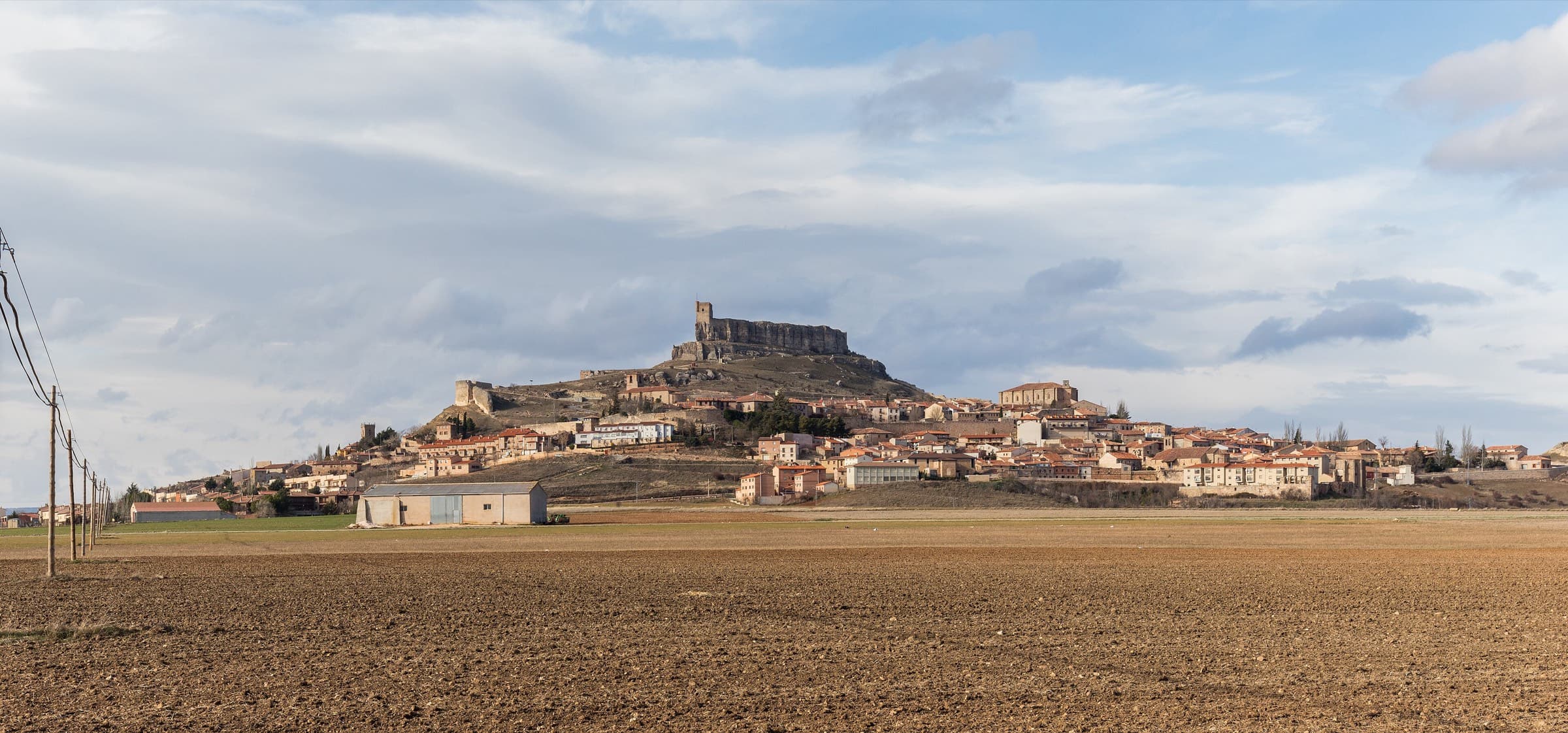
The “sweet” running water of the Salado river and its tributaries and the “salt” of the historic salt pans explain the development of the territory: where roads were built, what crops were sown, where churches and castles were raised. Sigüenza —a cathedral city— and Atienza —a village of castle and Romanesque— are the two urban poles of the story. Between them, around fifteen villages and a natural park (Barranco del río Dulce) complete the 222 km² of the candidacy.
Current stage of the UNESCO dossier
The 99th Spanish Historical Heritage Council decided that the “Sweet & Salt Landscape of Sigüenza and Atienza” would be one of Spain's next candidacies presented to the preliminary report stage for World Heritage. There is no firm date yet: according to UNESCO's usual calendars, the preliminary decision could arrive in autumn 2027. The full process up to inscription can take several years.
How to support the candidacy
International recognition is also built by visiting. Every night booked in Atienza or Sigüenza, every local product bought and every story shared about the territory reinforces the candidacy. That is what both villages ask for: a responsible visit that generates impact in their economic fabric and spreads the value of the landscape.