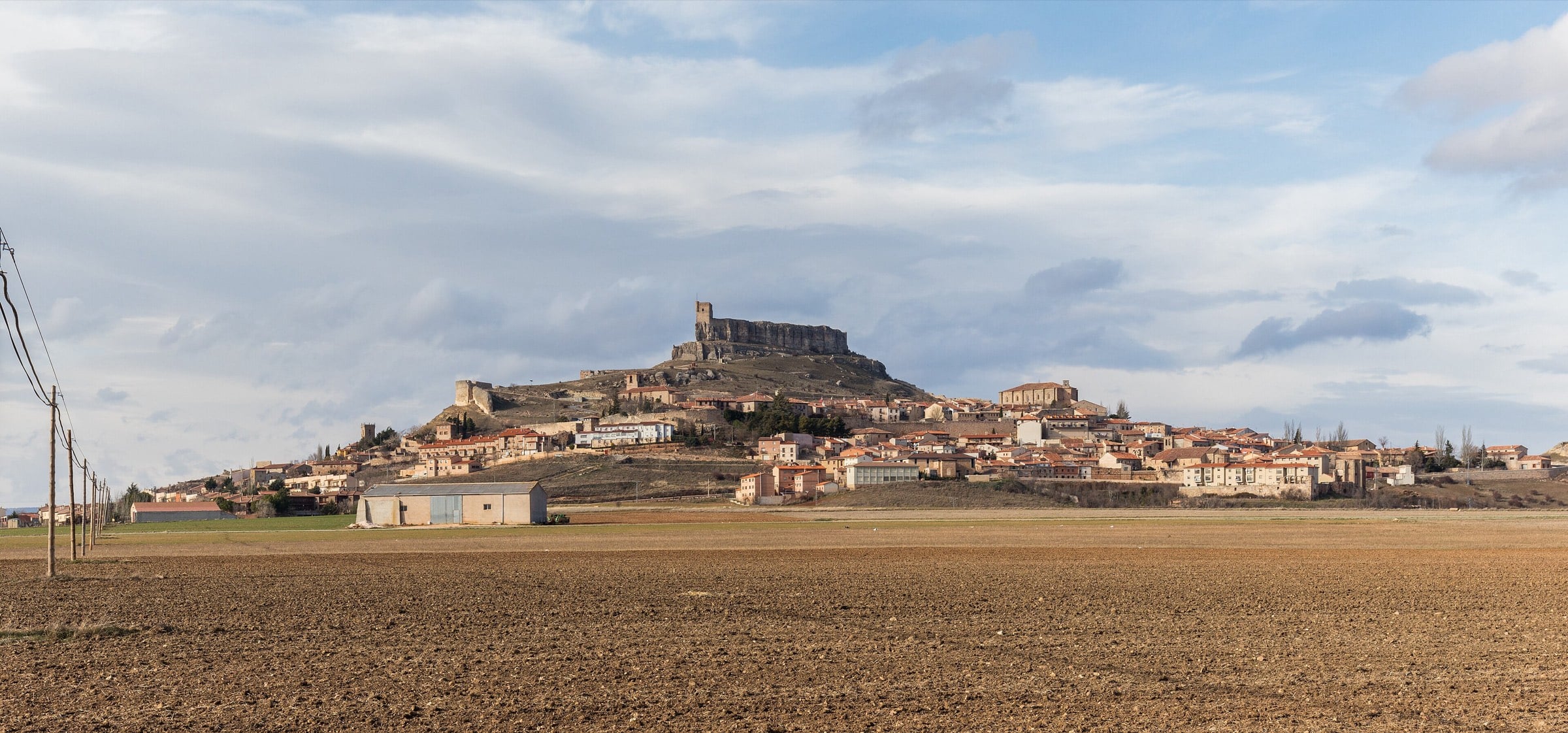
Like most relevant Castilian villages in the Middle Ages, Atienza had a Hebrew community organised around its own aljama. Today, fragments of wall and traces in the toponymy survive of the Jewish quarter.
A frontier Castilian aljama
The first documentary references to Jews in Atienza date from the 13th century, under Alfonso X. The Atienza community appears in the distributions of royal services and was organised, like the great Castilian aljamas, with a synagogue, cemetery (outside the walled enclosure), its own court and religious authorities.
The Atienza aljama excelled in craft trades —textiles, tanning, silversmithing— and in lending and tax administration. As in other Castilian villages, the Atienza Jews paid the «service and half service» to the king.
Where it stood and what survives
The Atienza Jewish quarter was located in the northern tip of the walled old town, in the area roughly between the castle wall and Calle Real. It was an elevated sector, defended by one of the two wall lines of the village.
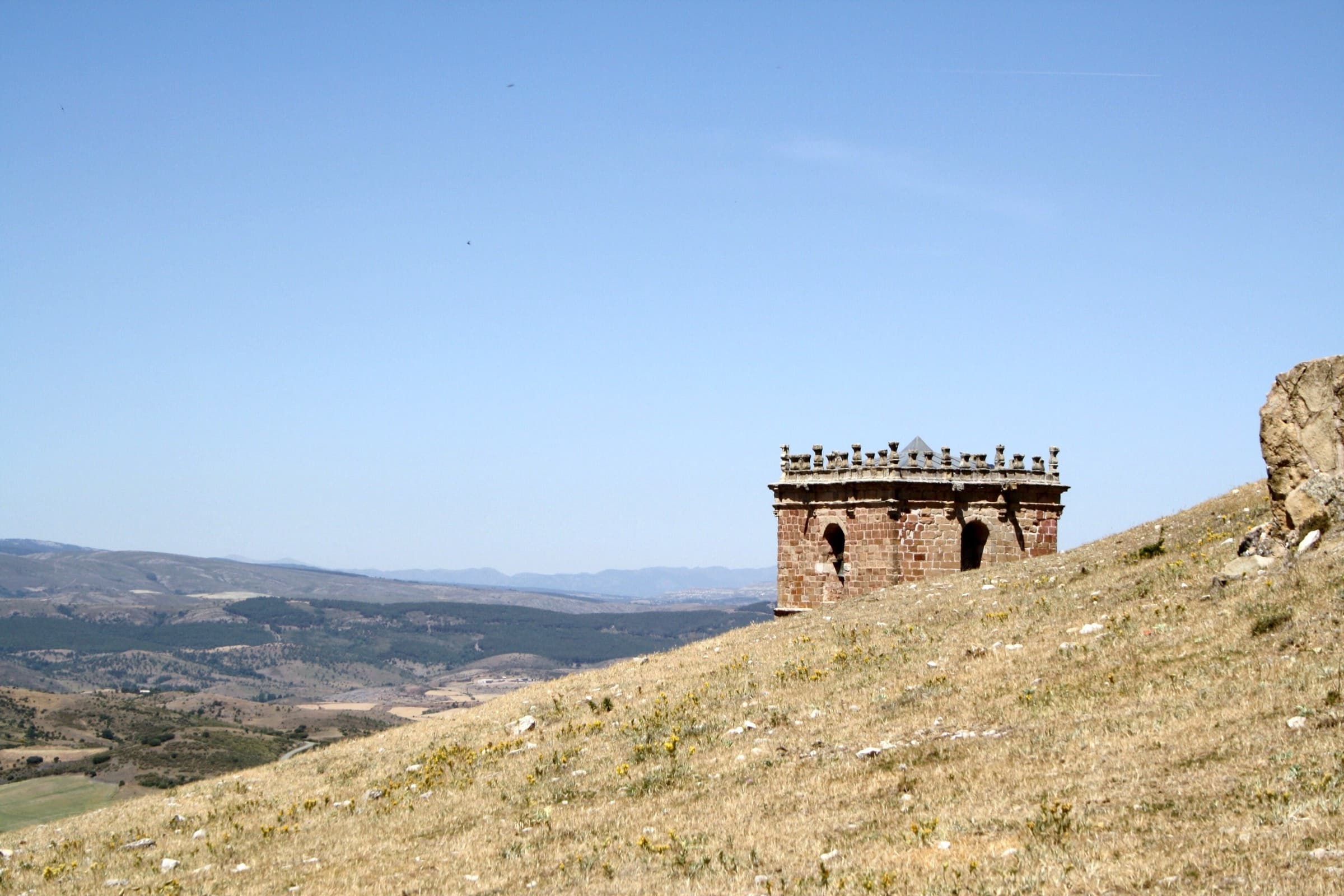
Of the Atienza Jewish quarter, two towers and a stretch of inner wall survive, identified in some sources as the «judería wall». The synagogue does not survive; archaeological remains are scarce due to the urban transformation of the 17th-19th centuries.
1492 and the end of Atienza Sepharad
The Edict of Granada (31 March 1492) forced Jews to convert to Christianity or leave the kingdoms of Castile and Aragon within three months. The Atienza community faced the dilemma: conversion, exile or death.
After 1492, converso families integrated into the Christian life of the village, and some Hebrew-origin signatures and surnames survive in local documentation up to well into the 18th century.
Atienza on the Sepharad Spain map
Atienza is not officially part of the Red de Juderías de España (organisation gathering cities with the most recognised Jewish heritage). However, its Hebrew history and surviving remains place the village on the Sepharad cultural map.
For visitors interested in Castilian Jewish heritage, Atienza fits in a regional itinerary with Sigüenza (which also had an aljama) and, on a larger scale, with Toledo and Cuenca.
How to visit it today
The Jewish quarter is walked unguided, integrated into the castle climb: the inner wall crosses exactly the sector that was the judería. For a deeper visit, book a guided tour with the Tourism Office.
This entry is a first development based on general Castilian bibliography and local sources. If you have documentation, historical photographs or testimonies about the Atienza Jewish quarter, write to hola@atienza.info.